The Benefits of Singalong Sessions in Schools: Insights from גפ"ן משרד החינוך


Introduction to Singalong Sessions
Singalong sessions in schools are more than just a fun activity; they're a powerful educational tool. According to insights from גפ"ן משרד החינוך, these sessions offer numerous benefits that extend beyond the music room.
Integrating singing into the school curriculum can enhance students' learning experiences in various ways. From boosting confidence to fostering community, singalongs are a vital component of holistic education.
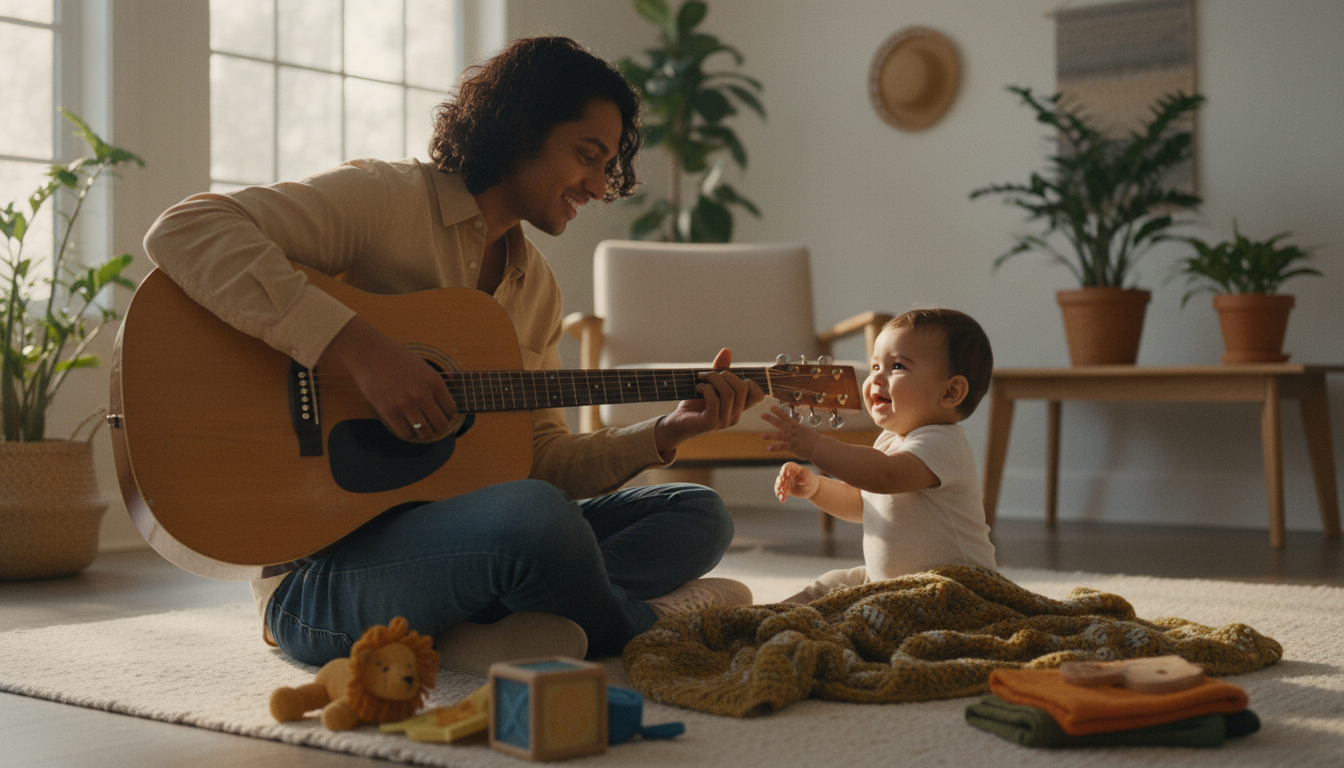
Enhancing Cognitive Development
Research shows that music can significantly enhance cognitive development in children. Singalong sessions help in improving memory, attention, and critical thinking skills. The repetition and rhythm involved in singing aid in memory retention, making it an effective learning tool.
Moreover, songs often incorporate new vocabulary and concepts, helping students expand their language skills. This is particularly beneficial for young learners who are still developing their linguistic abilities.
Improving Language Skills
Through singing, students are exposed to the nuances of language, including pronunciation, intonation, and rhythm. This exposure is crucial for developing fluency and comprehension. Singalongs can be especially effective in bilingual settings, where children are learning multiple languages simultaneously.
Building Social Skills and Community
Singalong sessions are a unique opportunity for students to collaborate and connect with their peers. Singing together fosters a sense of community and belonging, which is essential for emotional development.
These sessions encourage teamwork and cooperation, as students must listen to each other and work together to create harmony. This collaborative environment helps build social skills and teaches the importance of working as a group.
Boosting Confidence and Self-Esteem
Participation in singalong sessions can be a significant confidence booster for students. Performing in front of others helps them overcome stage fright and builds self-esteem. As students become more comfortable with their abilities, they are more likely to participate in other school activities, leading to a more well-rounded educational experience.
Emotional and Mental Health Benefits
Music has long been recognized for its therapeutic benefits. Singalong sessions can be a great way for students to express their emotions and relieve stress. Singing releases endorphins, which can improve mood and overall mental well-being.
Incorporating regular singalong sessions can create a positive atmosphere in schools, reducing anxiety and promoting a sense of joy among students.
Creating a Positive School Environment
When students engage in singalongs, they contribute to a positive and inclusive school culture. Music brings people together, and the shared experience of singing can break down social barriers, fostering an environment of mutual respect and understanding.
Ultimately, singalong sessions offer a multifaceted approach to education, addressing cognitive, social, and emotional development. By integrating these sessions into the school curriculum, educators can provide a richer, more engaging learning experience for all students.