Top Tips for Integrating Music into Educational Activities with זיו שפיר


Introduction to Music in Education
Integrating music into educational activities can be a transformative experience for both educators and students. זיו שפיר, an expert in music education, emphasizes the importance of using music as a tool to enhance learning. Music not only makes learning more engaging but also helps in the development of cognitive skills.

Benefits of Music in Learning
Music can significantly boost memory retention and concentration. For instance, studies have shown that students who engage with music often perform better in subjects like mathematics and languages. This is because music stimulates various parts of the brain, making it easier to absorb and retain information.
Another key benefit is the enhancement of social skills. Group musical activities require communication and collaboration, helping students develop essential interpersonal skills.
Choosing the Right Music
When integrating music into educational activities, it’s crucial to select the right type of music. זיו שפיר suggests starting with instrumental music as it is less distracting and can create a calm learning environment. Genres such as classical or ambient music are often ideal for background settings.

Practical Tips for Integration
Here are some practical tips for educators looking to incorporate music into their teaching:
- Start with Short Sessions: Begin with short musical activities to gauge student interest and gradually increase the duration.
- Use Music for Transitions: Play music during transitions between activities to keep students focused and engaged.
- Create Playlists: Develop playlists tailored to specific subjects or moods to enhance the learning environment.
Incorporating Music in Different Subjects
Music can be integrated into various subjects seamlessly. For example, in language classes, songs can be used to teach vocabulary and pronunciation. In science, rhythmic patterns can explain complex concepts like the water cycle or planetary motions.
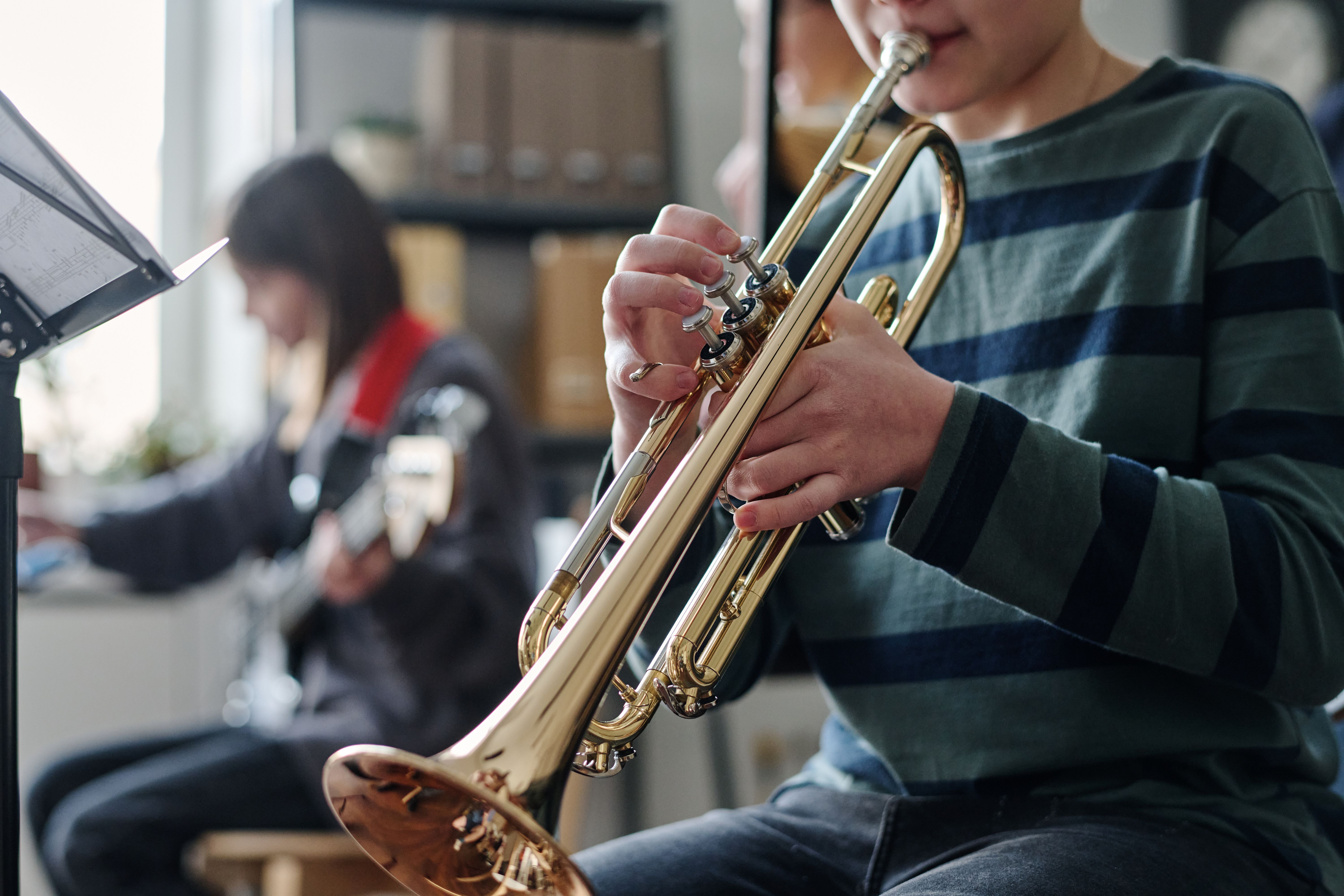
Engaging Students with Interactive Activities
Interactive activities such as songwriting or musical storytelling can make learning more dynamic. זיו שפיר recommends using these activities to encourage creativity and critical thinking among students.
Additionally, incorporating technology such as music apps or digital instruments can make music education more accessible and exciting for students.
Overcoming Challenges
While integrating music into education offers numerous benefits, it can also present challenges. Teachers may face constraints such as limited time or resources. To overcome these, זיו שפיר advises collaborating with music educators or leveraging online resources to enrich the curriculum.
Building a community of practice among teachers can also provide support and ideas for integrating music effectively.
Conclusion
Incorporating music into educational activities is a powerful way to enhance learning and foster a positive classroom environment. With thoughtful integration, music can become a valuable tool in any educator’s toolkit, enriching the learning experience and supporting student development.