Top Tips for Successful Musical Activities in Schools


Introduction to Musical Activities in Schools
Music plays a vital role in schools, offering students a creative outlet and enhancing their cognitive and emotional development. Whether it's through choir, band, or general music classes, musical activities can significantly enrich the educational experience. Here are some top tips to ensure these activities are successful and impactful.
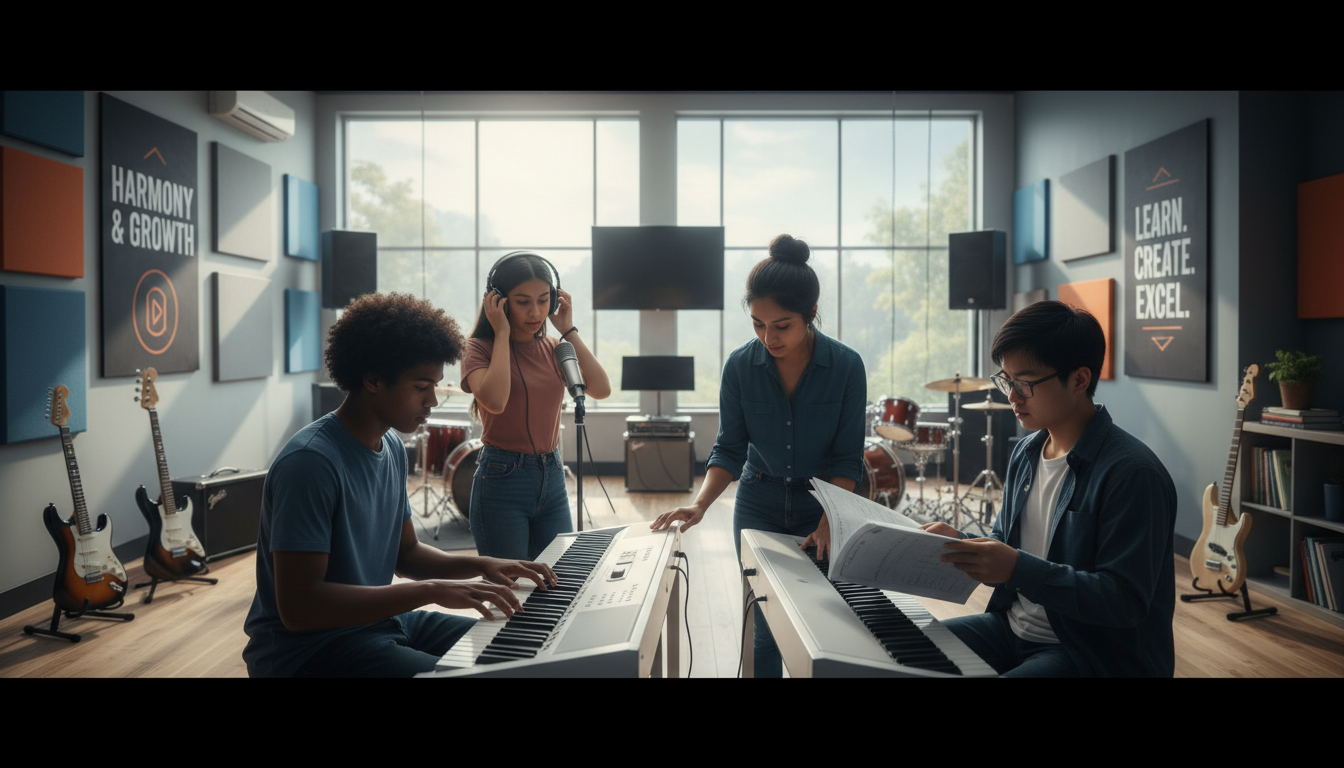
Engage Students with Diverse Musical Genres
Introducing students to a variety of musical genres can spark their interest and encourage exploration. From classical to jazz, pop, and world music, offering a wide range can cater to different tastes and cultural backgrounds. This diversity not only expands their musical horizons but also fosters inclusivity.
Benefits of Genre Diversity
Exploring different genres helps students develop a broader understanding of music history and culture. It also encourages them to appreciate and respect different musical traditions. Engaging with various styles can inspire creativity and innovation in their own musical expressions.
Incorporate Technology in Music Education
With the rapid advancement of technology, integrating digital tools in music education can enhance the learning experience. Software for composing, recording, and mixing music can make lessons more interactive and engaging. Moreover, technology can facilitate remote learning, making musical education accessible to more students.
Utilizing Music Apps
- Music theory apps can aid in teaching fundamental concepts.
- Virtual instruments allow students to experiment with different sounds.
- Recording software can help students understand production techniques.

Encourage Participation in School Performances
Performance opportunities are crucial for building confidence and showcasing students' talents. Organizing concerts, talent shows, and recitals can motivate students to practice and excel. These events also foster a sense of community and provide a platform for collaboration.
Preparing for Performances
To ensure successful performances, provide students with regular practice sessions and feedback. Encourage them to work in groups, which can enhance teamwork and communication skills. Celebrating their achievements during performances can boost their self-esteem and passion for music.
Provide Personalized Learning Paths
Recognizing and nurturing individual strengths and interests in music can lead to more meaningful engagement. Tailor lessons to address different skill levels and musical goals. Offering personalized feedback and support can help each student reach their full potential.
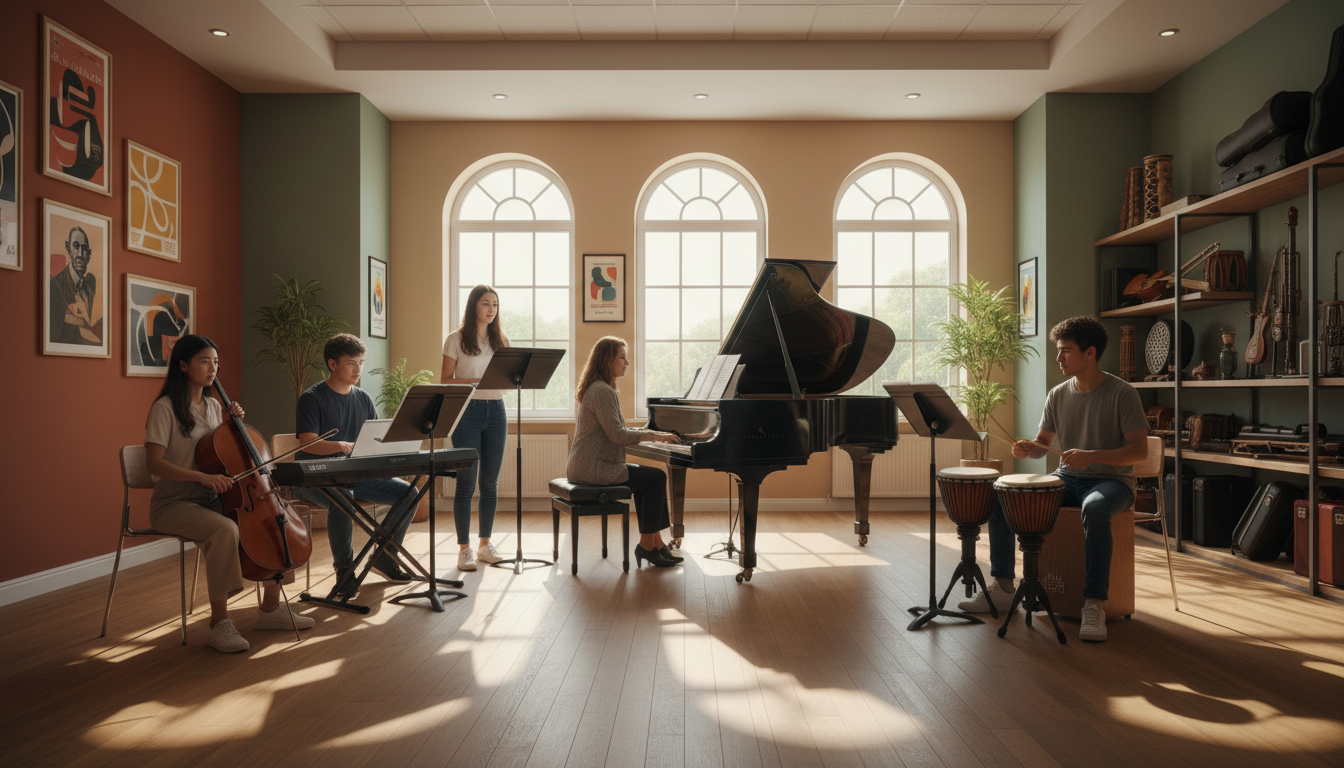
Building a Supportive Environment
Create a supportive and encouraging environment where students feel safe to express themselves and take creative risks. This atmosphere will not only enhance their learning experience but also foster a lifelong love of music.
Conclusion
By embracing diversity, integrating technology, encouraging performances, and personalizing learning paths, schools can create enriching and successful musical activities. These efforts will not only enhance students' musical skills but also contribute to their overall development and well-being.